
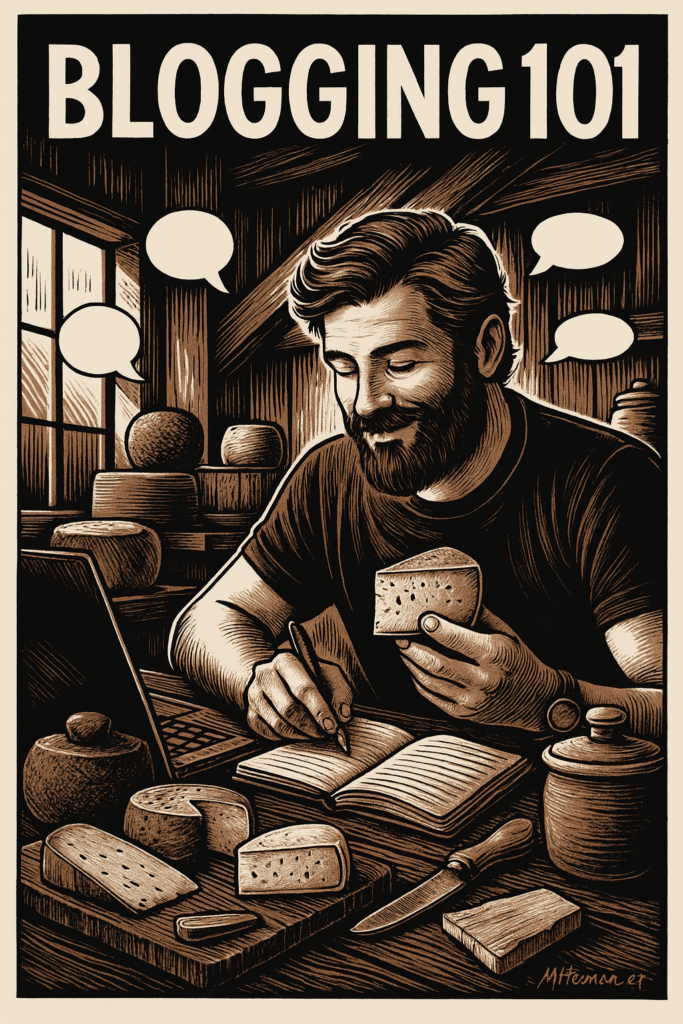
Welcome to the World of Blogging for Your Cheese Business
Importance of Blogging for Cheesemongers and Cheesemakers
In today’s digital age, the art of cheese making and the craft of offering exquisite cheeses as a Cheesemonger transcend mere transactions; it’s about storytelling, passion, and building connections. Enter blogging, a powerful tool that goes beyond the shelves of your store or the counters at a farmer’s market.
Blogging isn’t just about sharing recipes or discussing the latest cheese trends; it’s a gateway to your world. It allows you to forge deeper connections with your audience, showcasing the heritage behind your products, sharing insights into your craft, and positioning your brand as an authority in the cheese industry.
How This Guide Will Help Enhance Online Presence and Engage Customers
This comprehensive guide is tailored specifically for Cheesemongers and Cheesemakers aiming to elevate their online presence and engage with their audience in a meaningful way. From the nuances of setting up your blog to the intricacies of crafting compelling content, each chapter is meticulously curated to provide you with actionable insights and strategies.
We’ll delve into the art of storytelling, the science behind SEO optimisation, the impact of visuals, and the importance of community engagement. By the end of this guide, you’ll not only understand the significance of blogging for your cheese business but also be equipped with the tools and knowledge to leverage it effectively.
So, let’s embark on this journey together, discovering how the keystrokes of a blog can resonate far beyond the digital realm, transforming your cheese business into an immersive and engaging experience for your audience.
Chapter 1: Understanding the Blogging Landscape for Cheese Businesses
Overview of the Blogging Landscape in the Cheese Industry
Blogging has evolved into a pivotal tool for businesses across various industries, and the cheese world is no exception. The online sphere offers an expansive platform where Cheesemongers and Cheesemakers can showcase their expertise, share their passion, and connect with a global audience.
In the cheese industry, blogs serve as virtual windows into the artistry, culture, and stories behind every cheese wheel or wedge. They’re platforms where artisans, enthusiasts, and consumers converge, creating a rich tapestry of information, discussions, and experiences.
Benefits of Blogging for Cheesemongers and Cheesemakers
The advantages of blogging for cheese businesses are manifold. First and foremost, it’s a gateway to establish a distinctive brand identity. Through your blog, you can narrate the journey of each cheese, its origins, the craftsmanship involved, and the unique flavours it offers. This storytelling aspect resonates deeply with consumers who seek not just a product but an experience.
Additionally, blogging is a dynamic tool for customer engagement and education. It enables you to share insights on cheese pairings, recipes, serving suggestions, and industry trends. By providing valuable information, you position yourself as a trusted resource, fostering loyalty and credibility among your audience.
Moreover, a well-maintained blog contributes significantly to your search engine visibility. Relevant, keyword-optimised content can help improve your website’s ranking on search engine results pages (SERPs), driving organic traffic to your site and, consequently, to your storefront.
Identifying Target Audiences and Niche Topics for Your Blog

Understanding your audience is pivotal. Your blog should cater to the interests, preferences, and needs of your target demographic. For Cheesemongers, this might include cheese connoisseurs, food enthusiasts, or individuals interested in artisanal products. For Cheesemakers, it could be aspiring artisans, culinary professionals, or those intrigued by the cheese-making process.
Niche topics are the cornerstone of a successful cheese blog. They could range from cheese pairing guides, detailed explorations of cheese varieties, interviews with artisans, to behind-the-scenes glimpses into your cheese-making process. By honing in on specific topics, you establish authority in your niche and attract an engaged audience passionate about your content.
Chapter 2: Setting Up Your Blog
Choosing the Right Blogging Platform
Selecting the appropriate blogging platform is the cornerstone of your online presence. Consider platforms like WordPress, Squarespace, or Wix, each offering unique features and customisation options.
- WordPress: Known for its flexibility and robustness, WordPress provides extensive customisation options through themes and plugins. It suits businesses aiming for scalability and complete control over their blog.
- Squarespace: Ideal for its user-friendly interface and elegant designs, Squarespace offers visually appealing templates suitable for businesses seeking a polished and professional look without extensive technical know-how.
- Wix: An intuitive platform suitable for beginners, Wix offers drag-and-drop functionalities and a range of templates, making it easy to create a visually striking blog.
Domain Selection and Hosting Considerations
Your domain name is your digital identity. Choose a name that reflects your brand and is easy to remember. Consider using your business name or a keyword relevant to your niche. When selecting hosting services, prioritise reliability, security, and customer support. Hosting providers like Bluehost, SiteGround, or HostGator offer tailored solutions for bloggers and small businesses.
Design Elements and Branding for Your Blog
Your blog’s design and branding should be an extension of your cheese business’s identity. Incorporate elements such as your logo, color palette, and typography that align with your brand’s aesthetics. Maintain consistency across your blog’s design to reinforce brand recognition.
- Logo and Visual Identity: Develop a distinct logo that represents your cheese business. Ensure it’s prominently displayed on your blog to enhance brand recall.
- Colour Scheme and Fonts: Choose colours and fonts that complement your brand. Consistency in typography and colour schemes creates a cohesive and professional appearance.
- User-Friendly Interface: Prioritise a user-friendly layout and navigation. Organise content logically and ensure ease of access to key information for visitors.
By focusing on these elements, you’ll create a blog that not only showcases your cheese offerings but also embodies the essence and personality of your brand, fostering a memorable and engaging user experience.
Chapter 3: Creating Compelling Content
Crafting Engaging Content Ideas for Cheese Enthusiasts
Creating content that resonates with cheese enthusiasts requires a blend of creativity, expertise, and understanding of your audience’s interests. Consider these content ideas to captivate your readers:
- Cheese Profiles: Highlight specific cheeses, exploring their origins, flavour profiles, and pairing suggestions.
- Recipes and Pairing Guides: Share original recipes or curated pairing suggestions to enhance the culinary experience of your audience.
- Behind-the-Scenes Insights: Offer glimpses into your cheese-making process, showcasing craftsmanship and dedication.
- Expert Tips and Advice: Provide informative articles on cheese care, storage, tasting techniques, or trends in the cheese industry.
Writing Captivating Headlines and Introductions
Compelling headlines are gateways to your content. Craft headlines that are intriguing, descriptive, and evoke curiosity. Consider using numbers, questions, or compelling adjectives to draw attention.
Additionally, introductions should entice readers to continue. Start with a hook—be it an interesting fact, a compelling story, or a thought-provoking question—to immediately engage your audience and encourage them to delve deeper into your content.
Incorporating Storytelling to Connect with Your Audience
Storytelling is a powerful tool to establish an emotional connection with your audience. Share anecdotes about your cheese-making journey, the history behind particular cheeses, or personal experiences related to your craft. Humanising your content through storytelling not only educates but also emotionally engages your readers, making your brand relatable and memorable.
By amalgamating these strategies, you’ll not only inform but also captivate and emotionally resonate with cheese enthusiasts, fostering a loyal and engaged audience base.
Chapter 4: SEO for Cheese Bloggers
Understanding SEO Basics for Cheese-Related Content
Search Engine Optimization (SEO) is crucial for enhancing the visibility of your cheese blog on search engine results pages (SERPs). Fundamentally, SEO involves optimizing your content to rank higher organically on search engines like Google. For cheese bloggers, this means tailoring your content to meet the specific needs and interests of your audience while aligning with search engine algorithms.
Keyword Research and Optimisation Strategies

Start by conducting keyword research relevant to the cheese industry. Utilize tools like Google Keyword Planner, SEMrush, or Ahrefs to identify high-volume, low-competition keywords related to cheese varieties, recipes, pairing suggestions, or informational content. Incorporate these keywords naturally within your content, including in titles, headings, meta descriptions, and body text to improve search engine visibility.
Additionally, consider long-tail keywords that are more specific and target niche topics within the cheese industry. These can often yield higher conversion rates as they cater to a more focused audience.
On-Page SEO Tips for Better Visibility
- Optimise Metadata: Craft compelling meta titles and descriptions that include relevant keywords and accurately represent your content. This helps search engines understand the content of your blog posts.
- Image Optimisation: Optimize images by using descriptive filenames and alt text, including keywords where relevant. This enhances accessibility and helps search engines understand the visual content.
- Internal Linking: Incorporate internal links within your content to connect related articles or pages. This improves user experience and helps search engines navigate your site more effectively.
- Mobile Optimisation: Ensure your blog is mobile-friendly, as an increasing number of users access content through mobile devices. Responsive design and fast loading times are essential for better SEO performance.
By implementing these SEO strategies tailored to the cheese blogging niche, you can improve your blog’s visibility, attract more organic traffic, and effectively engage with cheese enthusiasts searching for relevant content.
Chapter 5: Visuals and Multimedia
Importance of Visuals in Cheese Blogging
Visual content is a compelling and indispensable element in cheese blogging. As a sensory delight, cheese is not only about taste but also about its aesthetic appeal. High-quality visuals enhance the overall experience for your audience, enticing them to explore and engage with your content.
Creating and Sourcing High-Quality Images and Videos
- Photography: Invest in high-resolution images that showcase the textures, colours, and details of your cheeses. Capture close-ups, lifestyle shots, or even the process of cheese-making to provide a comprehensive visual narrative.
- Video Content: Create engaging videos that demonstrate recipes, cheese pairings, or behind-the-scenes footage of your cheese-making process. Videos offer a dynamic and immersive way to connect with your audience, catering to various learning and engagement preferences.
- User-Generated Content (UGC): Encourage your audience to share their experiences with your cheeses through images or videos. UGC not only diversifies your content but also fosters a sense of community and authenticity.
Integrating Multimedia Content Effectively
- Visual Storytelling: Use visuals to complement your storytelling. Pair images or videos with written content to create a cohesive narrative, evoking emotions and enhancing the reader’s experience.
- Consistency in Branding: Maintain consistency in visual elements such as colour schemes, fonts, and image styles across your blog. This reinforces your brand identity and creates a visually appealing and recognisable blog.
- Optimisation for Web: Ensure images and videos are optimised for web use to avoid slow loading times that can deter visitors. Compress images without compromising quality and use appropriate formats to maintain a seamless user experience.
By leveraging high-quality visuals and integrating multimedia content effectively, you’ll elevate your cheese blog, captivating your audience and providing them with an immersive and visually stimulating experience.
Chapter 6: Engaging with Your Audience

Encouraging Comments and Fostering Community Engagement
Creating a thriving community around your cheese blog involves encouraging active participation and dialogue. Invite readers to share their thoughts, experiences, and opinions by ending your posts with thought-provoking questions or prompts. Respond promptly and thoughtfully to comments, fostering a sense of belonging and encouraging further engagement.
Utilising Social Media to Promote Your Blog Content
Social media platforms serve as powerful channels to amplify your blog content and reach a broader audience. Share snippets, teaser content, or visually engaging elements from your blog on platforms like Instagram, Facebook, Twitter, and Pinterest. Engage with your audience by initiating conversations, conducting polls, or hosting live sessions related to cheese topics.
Use hashtags relevant to the cheese industry to increase the discoverability of your content and encourage social sharing among your followers.
Responding to Feedback and Comments Effectively
Acknowledging and responding to feedback—whether positive or constructive criticism—is essential in building trust and rapport with your audience. Take the time to address comments, answering queries, thanking users for their input, and showing appreciation for their engagement.
When responding to feedback, be empathetic, genuine, and transparent. Constructive criticism provides an opportunity for improvement, so use it to refine your content and better cater to your audience’s preferences.
Engaging actively with your audience, whether through your blog’s comments section or social media platforms, strengthens relationships, fosters a sense of community, and establishes your blog as a go-to resource in the cheese industry.
Chapter 7: Analysing your blog performance

Tracking and Analysing Blog Performance Using Analytics Tools
Utilise analytics tools like Google Analytics, Matomo, or Jetpack to track and measure the performance of your cheese blog. These tools provide valuable insights into:
- Traffic Sources: Identify where your audience is coming from—whether it’s through search engines, social media, or direct visits—to optimise your marketing efforts.
- User Behaviour: Analyse user engagement metrics such as bounce rate, time spent on site, and popular content to understand what resonates with your audience.
- Conversion Rates: Track conversions—such as newsletter sign-ups or affiliate link clicks—to evaluate the effectiveness of your monetisation strategies.
Understanding Key Metrics and Using Them to Optimise Your Blog
Key metrics offer valuable insights into the success and areas for improvement of your cheese blog. Focus on:
- Audience Engagement: Analyse metrics related to comments, social shares, and session duration to gauge how engaged your audience is with your content.
- Content Performance: Identify high-performing content based on page views, dwell time, or shares. Use this data to create similar content that resonates with your audience.
- Monetisation Effectiveness: Assess the performance of your monetisation strategies by tracking conversion rates and revenue generated through affiliate links or sponsored content.
Chapter 8: Maintaining Consistency and Quality
Importance of Consistent Posting Schedules
Consistency in posting schedules is key to maintaining an engaged audience and a thriving cheese blog. Establishing a regular posting rhythm not only keeps your audience engaged but also signals reliability and professionalism.
- Frequency: Determine a posting frequency that aligns with your capacity and audience expectations—whether it’s daily, weekly, or bi-weekly—and stick to it.
- Content Calendar: Plan and organise your content in advance using a content calendar. This helps maintain a consistent flow of fresh, relevant content for your audience.
Strategies for Maintaining High-Quality Content
High-quality content is the cornerstone of a successful cheese blog. To ensure your content maintains its quality:
- Thorough Research: Invest time in researching your topics thoroughly. Cite credible sources, verify information, and provide valuable insights that resonate with your audience.
- Visual Appeal: Accompany your content with high-quality images, infographics, or videos to enhance its visual appeal and engagement potential.
- Proofreading and Editing: Prioritise proofreading and editing to maintain professionalism and ensure your content is error-free, coherent, and easy to read.
Overcoming Writer’s Block and Staying Inspired
Writer’s block is common, but there are strategies to overcome it and stay inspired:
- Take Breaks: Step away from your work to clear your mind. Engage in activities that inspire you, whether it’s exploring new cheese varieties or visiting local markets for fresh inspiration.
- Brainstorming Sessions: Brainstorm with colleagues or fellow cheese enthusiasts. Discussing ideas and bouncing thoughts off others can reignite creativity.
- Explore Diverse Content: Explore different content formats, topics, or storytelling techniques to keep your content fresh and engaging.
By maintaining consistency in posting schedules, prioritising high-quality content, and overcoming creative obstacles, you’ll sustain the appeal and relevance of your cheese blog, fostering long-term engagement with your audience.
Chapter 9: Legal and Ethical Considerations
Understanding Copyright Laws for Content and Images
Copyright laws protect original content, including text, images, videos, and graphics. Respect intellectual property rights by:
- Original Content: Create your own original content or use content with proper permission, attribution, or under fair use guidelines.
- Licensed Material: Only use licensed or royalty-free images, ensuring you have the necessary rights to use them on your blog.
Disclosures and Transparency in Sponsored Content
Maintain transparency and trust with your audience when publishing sponsored or paid content:
- Disclosure Statements: Clearly disclose any sponsored content, partnerships, or affiliate links in your posts. Use phrases like “This is a sponsored post” or “In partnership with…” to inform your audience.
- Honesty and Authenticity: Maintain honesty and authenticity in sponsored content. Provide genuine reviews and opinions, maintaining integrity with your audience.
Protecting Your Blog with Terms of Service and Privacy Policies
Ensure your blog is legally protected by:
- Terms of Service: Establish clear terms of service outlining the rules and regulations for using your blog. Include information on user conduct, content usage, and disclaimers.
- Privacy Policies: Craft a privacy policy that outlines how you collect, store, and use visitors’ data. Comply with data protection regulations and inform users about their privacy rights.
By understanding and adhering to copyright laws, maintaining transparency in sponsored content, and implementing clear terms of service and privacy policies, you protect your blog’s integrity and ensure compliance with legal and ethical standards.
Conclusion
Throughout this comprehensive guide, we’ve delved into the intricacies of cheese blogging, exploring strategies and insights tailored for Cheesemongers and Cheesemakers aiming to establish a prominent online presence. Here are the key takeaways:
- Value of Blogging: Blogging isn’t just about content; it’s a medium to narrate your cheese journey, engage with your audience, and establish your brand as an authority in the industry.
- Strategic Elements: From setting up your blog with the right platform and design to creating compelling content and engaging with your audience, each aspect plays a crucial role in your blog’s success.
- Monetisation and Ethics: Understand the nuances of monetisation strategies while maintaining ethical and legal standards. Transparency, authenticity, and compliance are fundamental.
It’s time to put these strategies into action. Start implementing the insights gained from this guide to elevate your cheese blog’s reach and impact. Consistency, quality, and audience engagement will be your pillars in building a successful online presence.
Remember, this guide serves as a starting point. Explore further resources, connect with industry experts, and stay updated with the ever-evolving landscape of cheese blogging. Continual learning and adaptation will fuel your blog’s growth and relevance.
Embrace the art of storytelling, leverage the power of visuals, engage with your audience authentically, and navigate the legal and ethical dimensions conscientiously. Your cheese blog has the potential to not only inform but also enchant and inspire cheese enthusiasts worldwide.
Here’s to your cheese blog’s success and the delightful journey that lies ahead.